
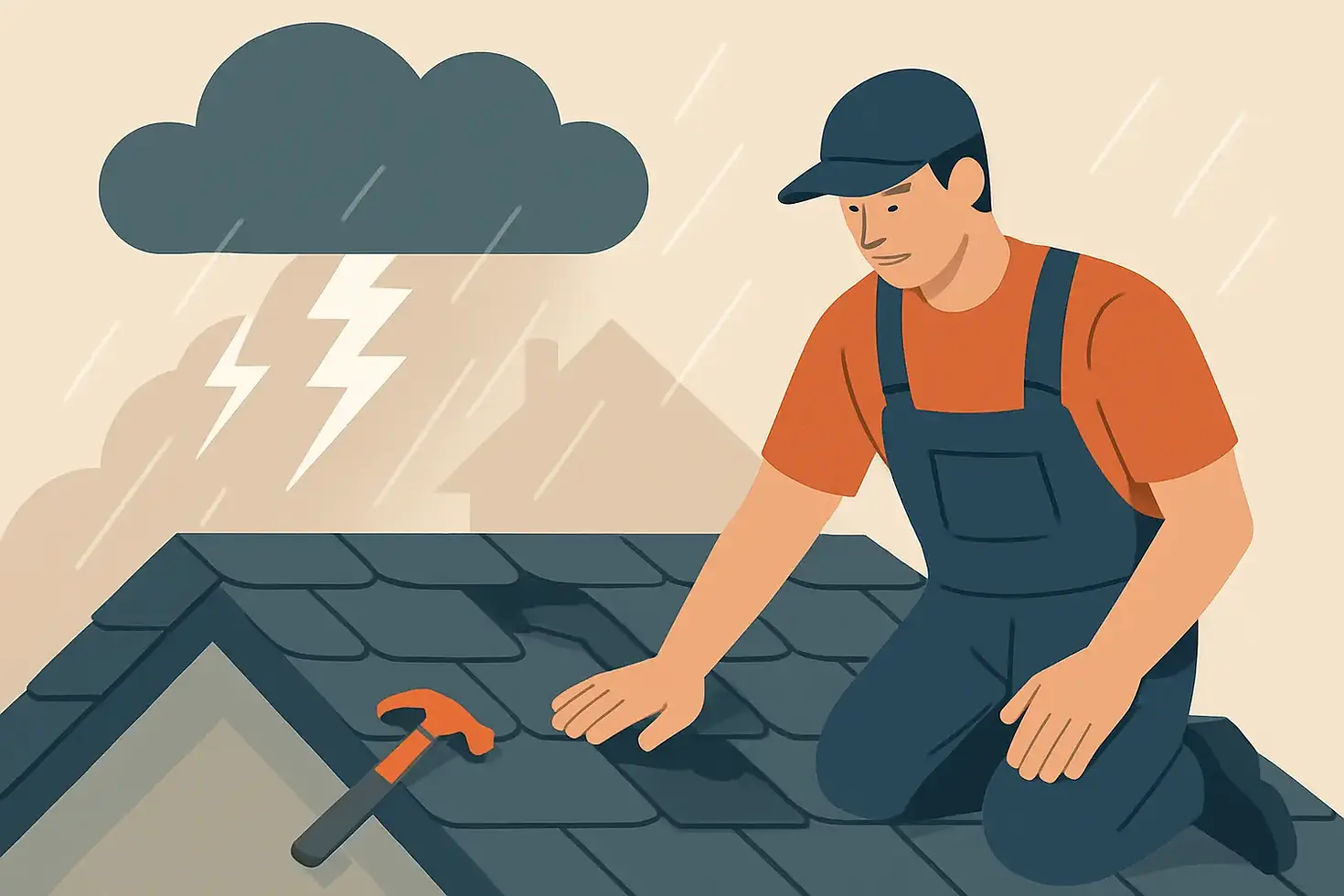
Expert Tips for Local Storm Damage Roof Repair
When a storm rolls through, leaving a wake of damage in its path, the roof over your head is often on the front lines. Navigating the aftermath can be overwhelming, especially when your roof has taken a hit. Understanding how to approach local storm damage roof repair effectively is crucial, not just for immediate safety, but for long-term peace of mind.
Understanding Storm-Induced Roof Damage
Before diving into the repair process, it’s essential to understand the types of damage storms typically inflict on roofs. This understanding not only prepares you to spot trouble early but also helps in discussing solutions with your roofing professional.
Wind Damage: High winds can loosen shingles, flashing, and even the structure of the roof itself. This kind of damage might not always be immediately visible, as it often occurs in small sections that can exacerbate over time if left unaddressed.
Hail Damage: Hailstones can bruise shingles, remove granules, and cause dents in metal roofs. The damage is not just aesthetic; it can compromise the protective top layer, leading to leaks and water infiltration.
Water Damage: Heavy rain can cause immediate leaks if the roof’s drainage system is inadequate or compromised. Water ponds can form, especially on flat roofs, increasing the risk of leaks.
Debris Damage: Falling branches and debris can puncture roofing materials, leading to immediate vulnerabilities.
Immediate Actions to Take Post-Storm
After a storm, safety should be your top priority. Before climbing onto the roof for a detailed inspection or initiating repairs, ensure it’s safe to do so. If in doubt, contact professionals who have the expertise and equipment to assess the situation safely.
1. Conduct a Visual Inspection: From the ground, use binoculars to check for obvious damage, like missing shingles or large debris. Inside, look for stains or leaks indicating water penetration.
2. Protect the Interior: If leaks are detected, protect the interior with buckets to catch water and cover furniture and flooring to prevent further damage.
3. Document the Damage: Take clear photos of all visible damage from different angles. Documentation is critical for filing insurance claims later.
Assessing the Extent of Damage
Assessing the full extent of storm damage requires a keen eye and should ideally be handled by seasoned roofing professionals. They will evaluate both visible and hidden damages.
Check Roofing Materials: Inspect the structural integrity of each component, from shingles to flashing.
Inspect Gutters and Downspouts: Ensure these are intact and function correctly, as they play a crucial role in water diversion.
Review Attic and Ceiling: Looking for stains, moisture, or mold can indicate unseen leaks.
Choosing the Right Repair Approach
The approach for repairs depends significantly on the type and extent of damage. Here are some common solutions:
Shingle Replacement: For missing or damaged shingles, replace them promptly. Matching the new shingles with existing ones helps maintain the roof's aesthetic and integrity.
Flashing Repairs: Damaged flashing around chimneys, skylights, and vent pipes should be sealed or replaced to prevent water infiltration.
Gutter and Downspout Repairs: Ensure these are cleared and securely attached to prevent water pooling.
Comprehensive Re-installation: In cases of extensive damage, consider re-installing part or all of the roof. This might also be a time to upgrade materials for better durability.
The Role of Professional Roofing Contractors
Hiring a local professional for storm damage repair isn't just about fixing what's broken today; it's about securing the integrity of your roof for years to come. Professionals like 3 Kings Roofing and Gutters bring local expertise, understanding of specific weather patterns, and quality workmanship to ensure your repairs stand the test of time. Their veteran-owned leadership assures reliable service grounded in trust and quality.
Navigating Insurance Claims
Filing an insurance claim for storm damage requires attention to detail and an understanding of your policy. Here are steps to streamline the process:
Review Your Policy: Understand your coverage limits and deductibles for storm damage.
Report Promptly: Immediate reporting to your insurance provider ensures faster processing.
Provide Documentation: Submit all photos, professional inspection reports, and receipts as evidence of damage.
Coordinate with Roofing Professionals: Insurance companies often require estimates from certified contractors. A roofer can provide detailed assessments and works as your advocate during inspections.
Preventative Measures for the Future
While storms are unpredictable, preparing your roof can mitigate potential damage:
Regular Inspections: Schedule regular roof inspections, particularly after severe weather, to maintain its integrity.
Proper Maintenance: Clean gutters, check for loose shingles, and ensure all components are secure before storm season.
Upgrade Materials: Consider impact-resistant roofing materials if replacements are necessary, offering better protection against wind and hail.
Install Adequate Ventilation: Adequate attic ventilation prevents moisture build-up, protecting the roof deck from damage.
Conclusion
Handling local storm damage roof repair involves understanding potential issues, acting quickly, and choosing the right repairs. With the expertise and community focus of veteran-owned companies like 3 Kings Roofing and Gutters, homeowners in Indianapolis can rest assured their roofs—and homes—are in trustworthy hands, equipped to withstand future storms. Your roof is a vital part of your home; when weather challenges it, ensuring it stands strong means trusting those who know storm damage best.
Whether it’s preparing for the next storm or addressing current damage, the right knowledge and expert assistance make all the difference in protecting your property. Make informed decisions today for a more secure tomorrow.



Comments