
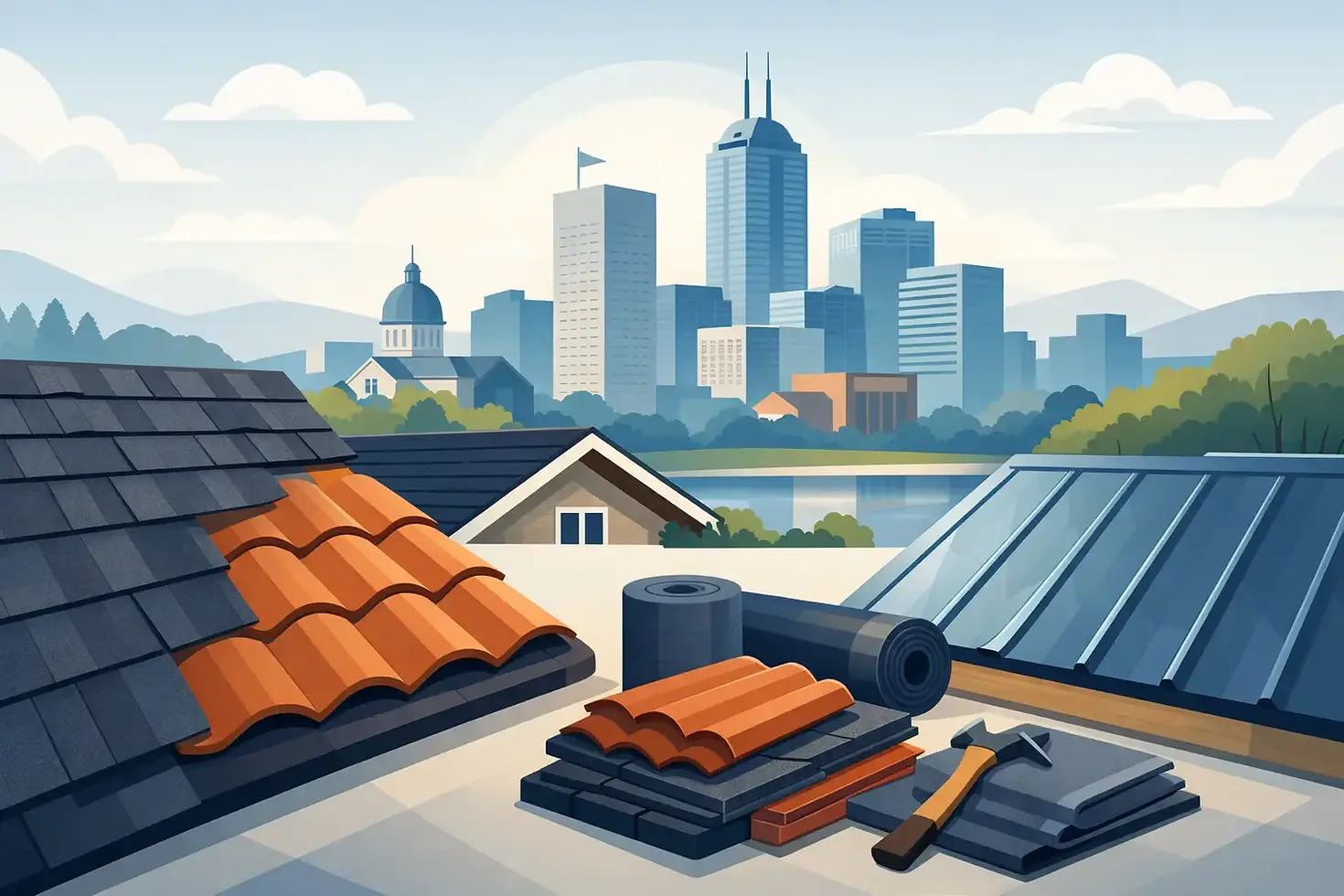
High-Quality Roofing Materials Indianapolis
A roof in Indianapolis has to do more than look good from the street. It has to handle hail, wind, heavy rain, summer heat, and winter freeze-thaw cycles without failing when your home or building needs it most. That is why choosing high-quality roofing materials Indianapolis property owners can rely on is not a cosmetic decision. It is a long-term investment in protection, efficiency, and peace of mind.
The right material depends on your structure, your budget, and how long you plan to stay in the property. A good roofing decision is rarely about picking the most expensive option. It is about matching the material to local weather conditions, installation requirements, and the real performance you expect over time.
What high-quality roofing materials mean in Indianapolis
In central Indiana, quality starts with weather resistance. Roofing materials need to stand up to sudden storms, temperature swings, and the kind of wind that finds weak spots fast. A product may look strong on paper, but if it is poorly suited for Indianapolis conditions, it can become an expensive problem.
High-quality roofing materials in Indianapolis should offer consistent performance, not just a strong warranty label. That means resistance to impact, solid water shedding, dependable sealing around flashing and penetrations, and a proven track record in Midwest climates. It also means the material needs to work as part of a full roofing system, including underlayment, ventilation, fastening methods, and drainage.
That last point matters. Even premium shingles or metal panels can underperform if the surrounding system is not built correctly. Material quality and workmanship go together.
Asphalt shingles remain the most practical choice for many homes
For many Indianapolis homeowners, asphalt shingles are the best balance of cost, durability, and appearance. They are widely available, come in a range of colors and profiles, and perform well when installed properly. Architectural shingles in particular offer better thickness and wind resistance than basic three-tab products, making them a stronger fit for local weather.
The biggest advantage of quality asphalt shingles is value. They typically cost less upfront than metal or slate, and they can still provide strong protection for many years. Repairs are usually simpler as well, which matters after storm season.
The trade-off is lifespan. Even high-end asphalt shingles generally will not last as long as metal or slate. They also vary more by manufacturer and product line than many property owners realize. Two roofs may both be called shingle roofs, but the difference in long-term performance can be significant.
Metal roofing offers durability and long-term efficiency
Metal roofing has become a more common choice across Indianapolis, especially for homeowners and commercial owners thinking long term. A quality metal roof handles wind well, sheds water and snow efficiently, and can last for decades with less maintenance than many traditional systems.
It is also a strong option for energy-conscious properties. Reflective coatings and panel design can help reduce heat gain during the summer. On some buildings, that can improve comfort and lower cooling strain.
Still, metal is not the right answer for every project. The upfront cost is higher, and installation requires precision. Poor panel alignment, weak fastening, or bad flashing details can lead to leaks that have nothing to do with the metal itself. This is where material quality and installer experience matter just as much as the product selection.
Slate and cedar bring character, but they require the right structure
If appearance and architectural character are major priorities, slate and cedar stand apart. Both materials create a distinct look that many homeowners want for older homes, custom builds, or high-end renovations.
Slate is one of the most durable roofing materials available. It can last for generations, and it offers excellent resistance to weather when installed correctly. The challenge is weight and cost. Not every home can support a slate roof without structural reinforcement, and repairs require specialized knowledge.
Cedar has a natural look that is hard to replicate. It can perform well and age beautifully, but it needs regular attention. Moisture, ventilation, and maintenance all play a larger role with cedar than with asphalt or metal. In a climate like Indianapolis, where roofs take a beating from humidity and storms, cedar is usually best for owners who understand that beauty comes with upkeep.
Commercial properties need a different conversation
When business owners look for high-quality roofing materials Indianapolis buildings can depend on, the decision process often shifts. Slope, square footage, drainage, mechanical equipment, and long-term serviceability all become major factors.
A material that works well on a residential roof may not make sense on a flat or low-slope commercial structure. In those cases, performance is often measured by watertight integrity, membrane durability, energy efficiency, and how easily the roof can be maintained without interrupting operations.
For commercial properties, it is also worth thinking beyond installation day. A cheaper system can cost more over time if it is harder to repair, more vulnerable to ponding water, or less durable under foot traffic from service technicians.
How Indianapolis weather should shape your choice
Local weather is not a side note. It should influence every roofing recommendation.
Hail is one example. Some materials handle impact better than others, and impact ratings can matter if your area sees repeated storm activity. Wind resistance matters too, especially on edges, ridges, and older roof sections where failure often starts.
Then there is freeze-thaw stress. Water can work into small openings, freeze, expand, and make a small issue much worse by the next season. Materials with dependable sealing and a well-built underlayment system tend to perform better under those conditions.
This is why the cheapest bid can be misleading. If lower pricing comes from lower-grade materials or shortcuts in accessories and installation, the roof may not hold up when Indianapolis weather tests it.
Price matters, but value matters more
Budget is part of every roofing project, and it should be. No honest contractor should pretend otherwise. But a smart roofing decision looks at total value, not just upfront cost.
A lower-cost roof may make sense if you plan to sell soon and the structure does not justify a premium system. A higher-end material may be the better choice if this is your long-term home, your business location, or a property where durability will save you money over time.
It also helps to ask what is included in the proposal. Are you paying for upgraded underlayment, better ventilation improvements, proper flashing replacement, and strong workmanship coverage? Or are you comparing a complete system to a stripped-down estimate that only looks less expensive at first glance?
Questions worth asking before you choose
Before selecting a roofing material, ask how it performs in Indianapolis weather, how long it typically lasts in real local conditions, and what maintenance it will require. Ask whether your roof deck, slope, and ventilation support that material properly. Ask what parts of the system are being replaced, not just the visible surface.
You should also ask who is responsible if something goes wrong. Manufacturer warranties matter, but workmanship matters just as much. A lifetime workmanship warranty, when backed by a contractor with a reputation for standing behind the job, adds real confidence to the investment.
That is one reason many local property owners look for companies with a track record of honest communication and clear scope details. 3 Kings Roofing and Gutters has built its reputation around that kind of transparency, which matters when you are making a decision that affects your property for decades.
The best roofing material is the one that fits your property
There is no single best roof for every building in Indianapolis. Asphalt shingles make sense for many homes because they offer strong value and dependable performance. Metal is a solid long-term choice for owners who want durability and efficiency. Slate and cedar can be excellent in the right setting, but they require more planning, budget, or maintenance.
The key is choosing a material based on local conditions, building needs, and the quality of the full installation. A good roof is not just a product. It is a system designed to protect what matters most.
If you are weighing options, start with the practical questions. How long do you need this roof to last? How much storm resistance do you want? What level of maintenance are you comfortable with? A clear answer to those questions usually points you toward the right material, and a better outcome years from now.


Comments